


.svg) By - Gaurav Vermma
 Featured Events
 Oct 26, 2026
What to Do If an Unsafe Crowd Setup or Venue Layout Causes a Serious Injury at a Lexington Event
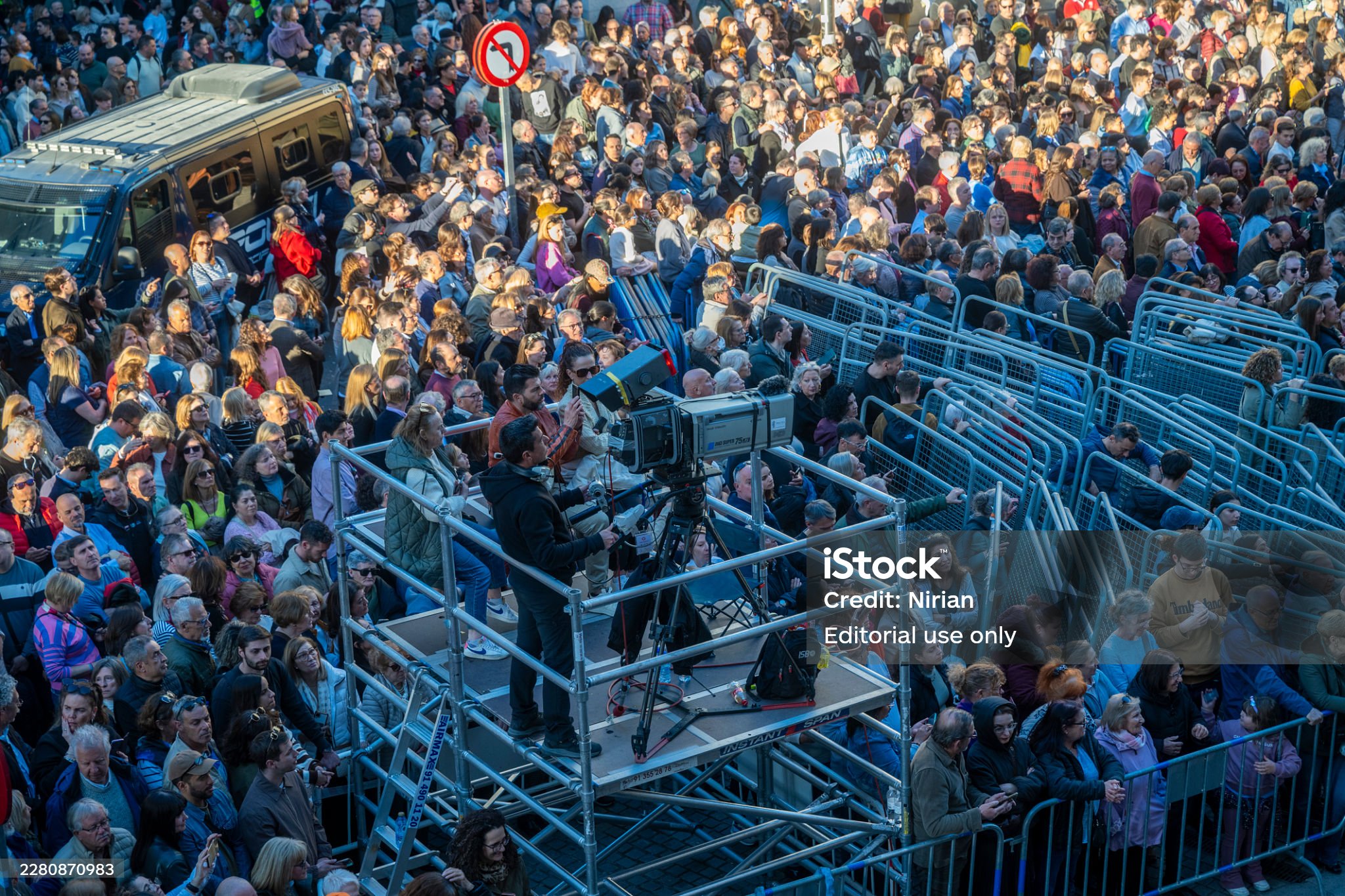
Most crowd injuries trace back to a decision made days before the gates opened, not to anything the crowd did. A barricade set too close to a stage or a single exit funneling hundreds of people toward one doorway reflects a choice by someone with a name on a permit or contract.
In Lexington, South Carolina, where events fill Main Street and venues like the Icehouse Amphitheater, an injured attendee faces a short window to protect a later claim. Those steps begin with physical and medical evidence that disappears fast.

Why Venue Layout Decisions Create Legal Liability
South Carolina law requires property owners to exercise reasonable care for guests, and concert or festival ticket holders qualify as invitees. A layout that blocks an exit or places a stage barrier where a surge can pin attendees may breach that duty. Design choices belong to someone. Medical literature shows how often crowds produce injuries.
A 2022 festival study archived by the National Library of Medicine recorded 2,828 patients treated on site at one event, a rate of 13.47 per 1,000 guests, and joint injuries ranked among the most common diagnoses.
Immediate Steps at the Scene
The first hours set the record. An injured attendee who reports the injury to event staff and requests a written incident report creates a timestamp that later documents may reference. The Lexington Police Department covers incidents within city limits, while the Lexington County Sheriff’s Department patrols unincorporated areas.
Medical Documentation
Lexington Medical Center generates an arrival time and triage notes that tie the injury to the event date. Delayed treatment hands defense insurers room to argue that another event caused the harm.
Scene Evidence
Photographs of barricades and crowd density, taken before the venue resets, preserve conditions that staff may alter within hours. Names and phone numbers of nearby witnesses add independent accounts.
Establishing liability between property owners, event promoters, and security contractors after an unsafe crowd surge or blocked exit at a Lexington event requires a thorough examination of municipal permits, site plans, and safety standards. Individuals injured during a concert or public gathering in Lexington County can contact Stewart Law Offices at (803) 520-0003 or visit 203 W Main St, Suite D, Lexington, SC 29072 to discuss their claim with their legal team. If severe injuries prevent someone from visiting the Lexington office in person, their attorneys can travel to meet clients at home, in the hospital, or at a care facility.
Insurance Adjusters and Early Statements
Venue insurers often contact injured attendees within days and request recorded statements. Insurers design the claims process to work in their favor, not yours. With an AV Preeminent® Rating from Martindale-Hubbell and lifetime membership in the Multi-Million Dollar Advocates Forum, Brent Stewart, a Lexington personal injury lawyer at Stewart Law Offices, an injury firm listed on Avvo, Lawyers.com, Glassdoor, Best Lawyers, and Birdeye, cautions that these initial conversations are deliberately structured to undermine an attendee’s right to compensation: “The recorded statement is not for your benefit; it’s for theirs. They are trained to ask questions that make you say things that can prevent or reduce your claim. Questions like, ‘How are you feeling today?’ Those statements may later shape fault percentages, so attorneys often review the questions before any recording begins.”
Early offers often overlook future treatment, so wait until medical and wage records document the full extent of the loss before accepting a quick payout estimate. Written communication keeps the record clean. Emails to an adjuster that describe symptoms and treatment dates leave fewer gaps than phone calls, and every message may become an exhibit.
Who Bears Responsibility for the Setup?
The property owner and the promoter who designed the layout each owe duties to ticketed guests. A security contractor may join as a defendant when understaffed entrances contribute to a surge. Public ownership changes the analysis.
The Tort Claims Act (S.C. Code § 15-78-120(a)(1)(2)) caps recovery against a town or county at $300,000 per person and $600,000 per occurrence, and it exempts claims over supervision of public recreation areas unless the entity failed to correct a known defect. Written contracts between venue owners and promoters often assign layout and security duties. Those agreements may also name which party carried insurance for crowd-related claims, and discovery in a lawsuit can reach them.
Which Safety Standards Apply to Crowd Layouts?
NFPA 101, the Life Safety Code, sets a ratio of one trained crowd manager for every 250 occupants at larger assembly events. Courts and insurers may treat that benchmark as evidence of reasonable practice, so a venue with fewer managers than its occupant load suggests may face harder questions.
Numbers decide these disputes. Event permits issued by the Town of Lexington may list site plans and projected attendance, and a public records request can reach those documents. Records showing attendance above posted capacity may convert a layout complaint into an overcrowding claim. Exit width and door swing direction leave measurable traces in inspection records. An attendee injured near a congested doorway may compare those measurements against the posted capacity.
How South Carolina Courts Assign Fault
South Carolina follows modified comparative negligence. A jury compares the injured person’s conduct with each defendant’s conduct, and the resulting percentages drive the outcome. Defense teams often argue that an attendee ignored a posted warning or entered a restricted area.
Fifty Percent Threshold
The Supreme Court bars recovery when an injured person bears more than fifty percent of the total fault. Fault at or below that line reduces damages in proportion to the percentage assigned.
Defense Arguments
Defendants frequently cite alcohol consumption and ticket waivers. Courts often read exculpatory language narrowly, so a waiver printed on a ticket may not reach every negligence theory.
Deadlines That Shrink Against Public Entities
Private defendants face the three-year deadline in South Carolina’s general injury statute. Claims against a town or county shrink to two years. Filing a verified claim first extends the lawsuit deadline to three years, yet the claim itself must reach the entity within one year of discovering the loss.
Time runs fast. Suits against a government entity proceed in the county where the act or omission occurred, so Lexington events are heard in the Lexington County Court of Common Pleas at the Lexington County Judicial Center on East Main Street.